Movies

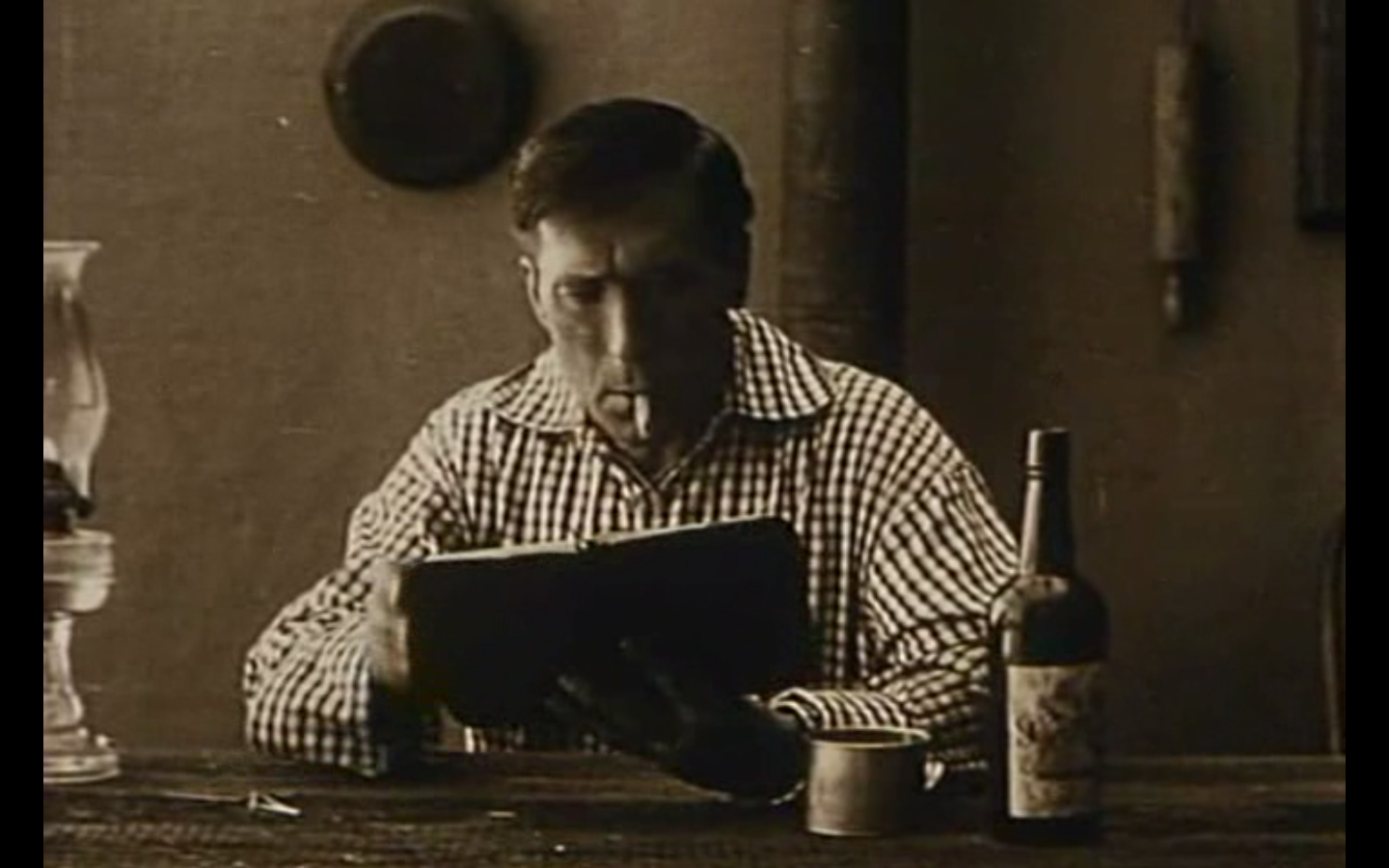
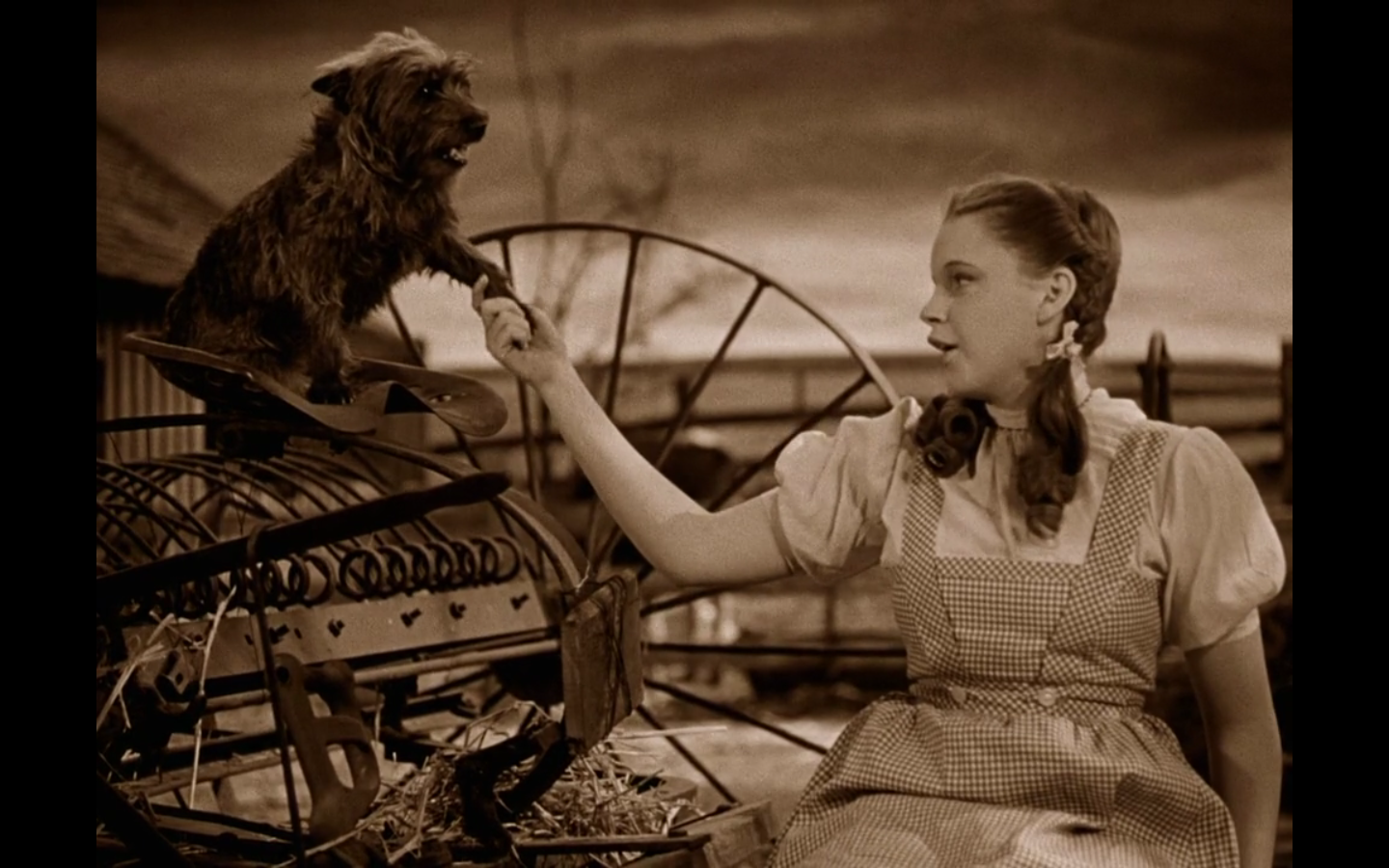
Pic of the Day: “Hello, Beastie.”


The Oscar Quest: Best Picture – 1952

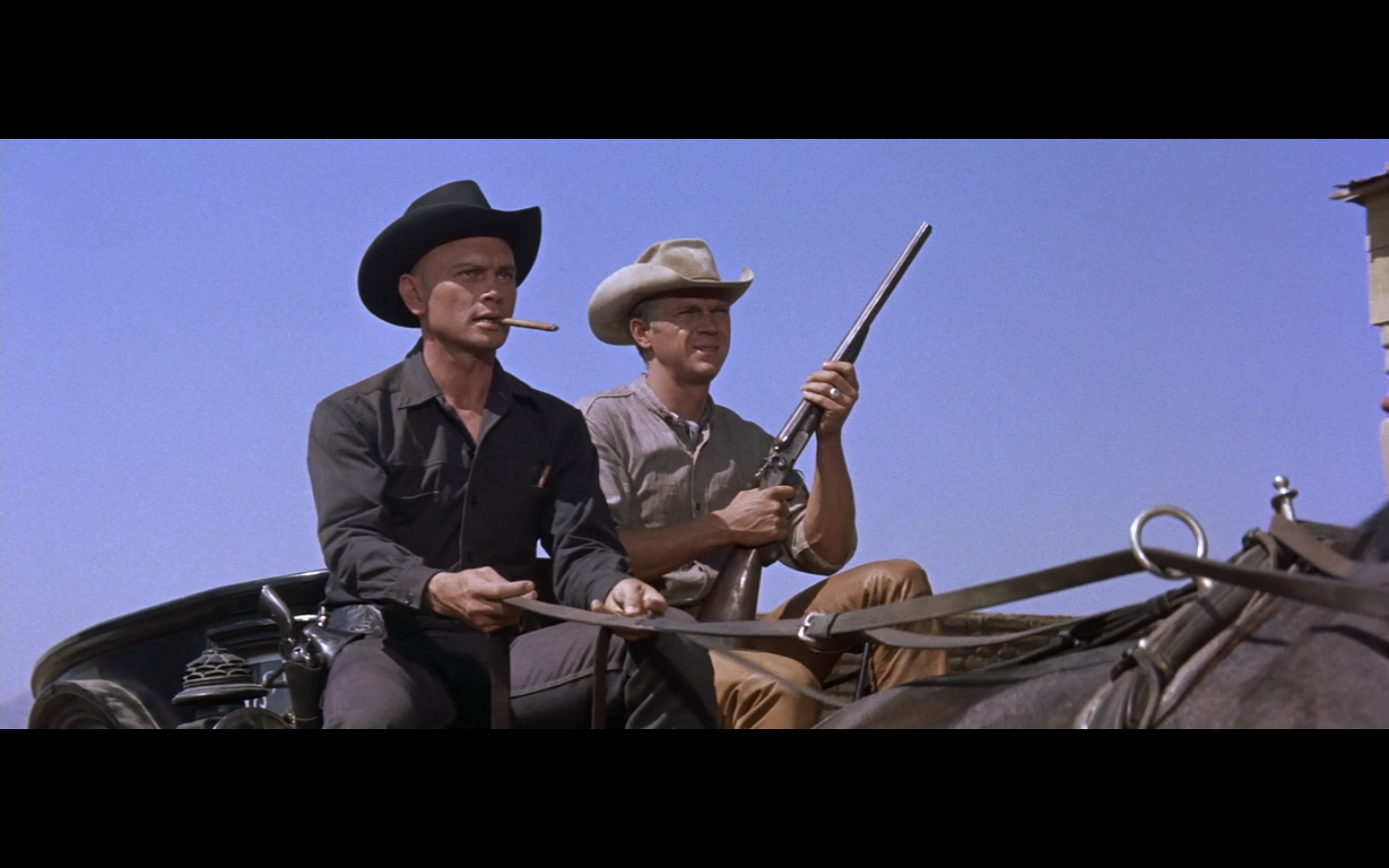
Well, since I discussed HUAC and the blacklist in 1951, it’ll save me a lot of trouble here. Most people consider High Noon to be the film that should have won here, but the fact that it was clearly an allegory for standing up to HUAC made them skittish about voting for it. So that explains (sort of) what happened here.

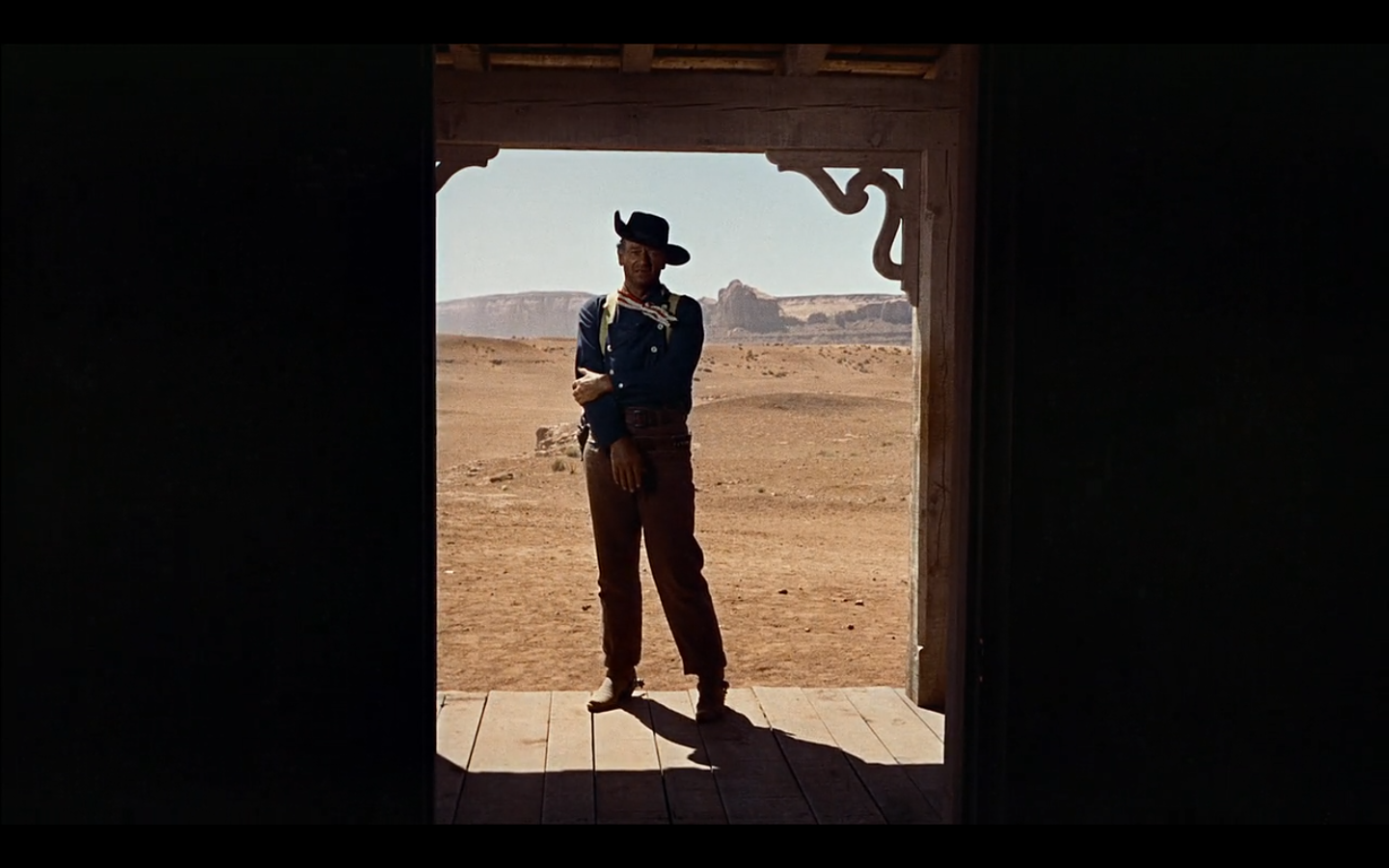
Instead of High Noon, they went with The Greatest Show on Earth for Best Picture. Like An American in Paris the year before this — the film didn’t win anything else (major). That points to it being a compromised decision. It’s like them saying they didn’t want to vote for it either, but they had to play it safe until the heat was off. Gary Cooper did win Best Actor for High Noon, though (talked about here), which is interesting. I guess Gary Cooper transcends communism. Best Actress was Shirley Booth for Come Back, Little Sheba (talked about here), her first film, after many years on the stage. I don’t particularly like the decision (Julie Harris was so much better in The Member of the Wedding), but I can accept it. Best Supporting Actor was Anthony Quinn for Viva Zapata! (talked about here), which is acceptable. Anthony Quinn is awesome. Best Supporting Actress was Gloria Grahame for The Bad and the Beautiful (talked about here), which, while I wouldn’t have voted for it, is a nice way to show the film (which really should have been nominated for Best Picture. It’s actually the film with the most Oscar wins in history without being nominated for Best Picture) some love. And Best Director — which really points to them admitting compromise — went to John Ford for The Quiet Man (talked about here), which was actually a good decision and very well could have happened even if High Noon won Best Picture.

So, the year makes sense, even though it’s not particularly strong. And while I understand the hesitance in voting for High Noon, my big question about it is — so why not just vote for The Quiet Man then? I don’t get it.

BEST PICTURE – 1952

And the nominees were…

The Greatest Show on Earth (Paramount)

High Noon (United Artists)

Ivanhoe (Metro-Goldwyn-Mayer)

Moulin Rouge (United Artists)

The Quiet Man (Republic) (more…)


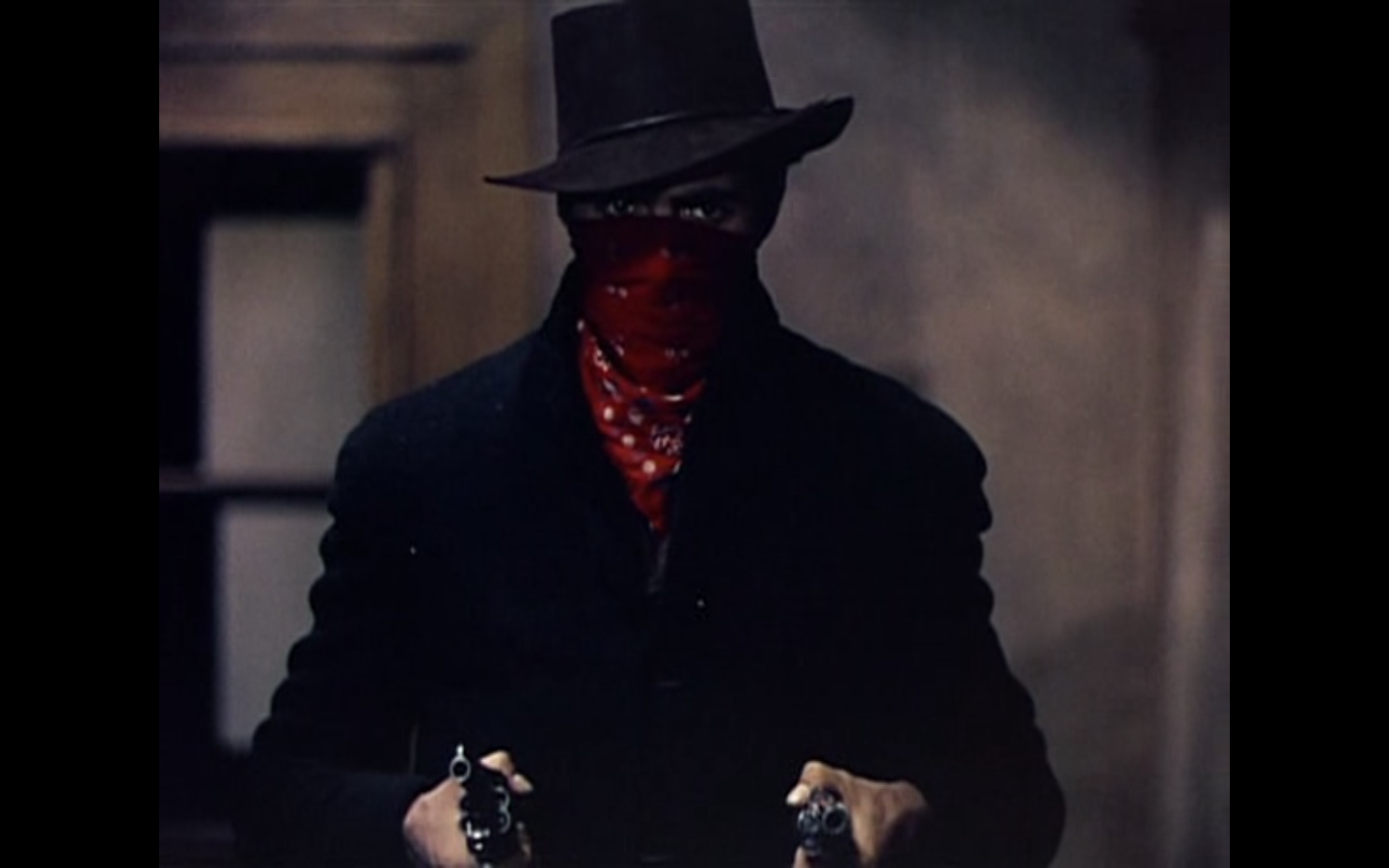
Pic of the Day: “There was me, that is Alex, and my three droogs, that is Pete, Georgie, and Dim, and we sat in the Korova Milkbar trying to make up our rassoodocks what to do with the evening. The Korova milkbar sold milk-plus, milk plus vellocet or synthemesc or drencrom, which is what we were drinking. This would sharpen you up and make you ready for a bit of the old ultra-violence.”


The Oscar Quest: Best Picture – 1953

I consider 1953 on of the golden years of cinema. It is one of the strongest years for film ever. And that’s reflected in the Best Picture nominees (mostly). Even though the five they chose might not have been the best five from the year, they were a nice representation of the year from an Oscar standpoint. So I like that.

From Here to Eternity wins Best Picture, Best Director for Fred Zinnemann (talked about here), Best Supporting Actor for Frank Sinatra (talked about here) and Best Supporting Actress for Donna Reed (talked about here). The great thing about all of those is that you could vote for someone else, but the year is so strong that it doesn’t matter because nearly everyone was deserving. (Also, of those, Zinnemann deserved it the most after being horribly snubbed for High Noon the year before this.) Then, Best Actor went to William Holden for Stalag 17 (talked about here), which, while it wasn’t an amazing performance, Holden is great and deserved an Oscar and the film is great. So it works. And Best Actress was Audrey Hepburn for Roman Holiday (talked about here), which — oh, I love her. I love the film. It’s one of my top twenty favorite films of all time.

I love this year so much. Even though you could vote for one film over another, every winner definitely deserved it. It’s so nice to have the luxury of multiple good choices.

BEST PICTURE – 1953

And the nominees were…

From Here to Eternity (Columbia)

Julius Caesar (Metro-Goldwyn-Mayer)

The Robe (20th Century Fox)

Roman Holiday (Paramount)

Shane (Paramount) (more…)


Pic of the Day: “I can’t think about that right now. If I do, I’ll go crazy. I’ll think about that tomorrow.”


The Oscar Quest: Best Picture – 1954

1954 is a very simple year to recap, so I’ll use this introduction to talk about the widespread changes in the film industry during the 50s. (I’ll save HUAC for 1952.) The Paramount Decision took effect by January 1, 1950. So the 50s as a decade was the first decade where the studios did not have a monopoly on production, distribution and exhibition. They no longer controlled the theaters. So during the 50s was the rise of independent cinema. Drive-Ins. Exploitation movies. Where people like Roger Corman got their start. This thinned out the profit for studios, because they had to fight to get people to come see their movies. Not to mention the other thing that threatened the studios in the 50s —

Television. The rise of television was a huge threat to the studios. The studios needed to find a way to get people back into the theater. So you saw these gimmicks start to pop up. Cinerama, Todd AO, Cinemascope — which were all essentially widescreen. You also saw 3D — things like that. Things you could only see in the theater. They also increased “runaway production” in the 50s, shooting more films on location in other countries (Quest examples are Summertime and this year’s Three Coin’s in the Fountain), to give them that feeling that only the movies could.) This also lead the studios into that corner they’d be in during the 60s, trying to use big budget movies to get people into the theater, like Cleopatra and The Sound of Music. Not to mention, the 50s were also huge culturally, with the rise of the “younger” culture. Elvis, rock ‘n’ roll, movies like Rock Around the Clock and The Girl Can’t Help It. (And you saw this reflected in movies when the children of the 50s, like Lucas and Coppola and Spielberg, started making movies.)

As for 1954 as an Oscar year: On the Waterfront basically sweeps. Best Picture, Best Director for Elia Kazan (talked about here), Best Actor for Marlon Brando (talked about here) and Best Supporting Actress for Eva Marie Saint (talked about here). All perfect decisions. Other winners were Grace Kelly as Best Actress for The Country Girl (talked about here), perhaps the most contested Best Actress decision of all time (one I feel was a good one), and Edmond O’Brien as Best Supporting Actor for The Barefoot Contessa (talked about here), which was good based on the actor but not so much based on the role. Though with three Waterfront nominees in the category, it stands to reason why it happened.

So that’s 1954. A strong Oscar year, not a single bad decision. This is definitely one of the better years in Academy history.

BEST PICTURE – 1954

And the nominees were…

The Caine Mutiny (Columbia)

The Country Girl (Paramount)

On the Waterfront (Columbia)

Seven Brides for Seven Brothers (Metro-Goldwyn-Mayer)

Three Coins in the Fountain (20th Century Fox) (more…)


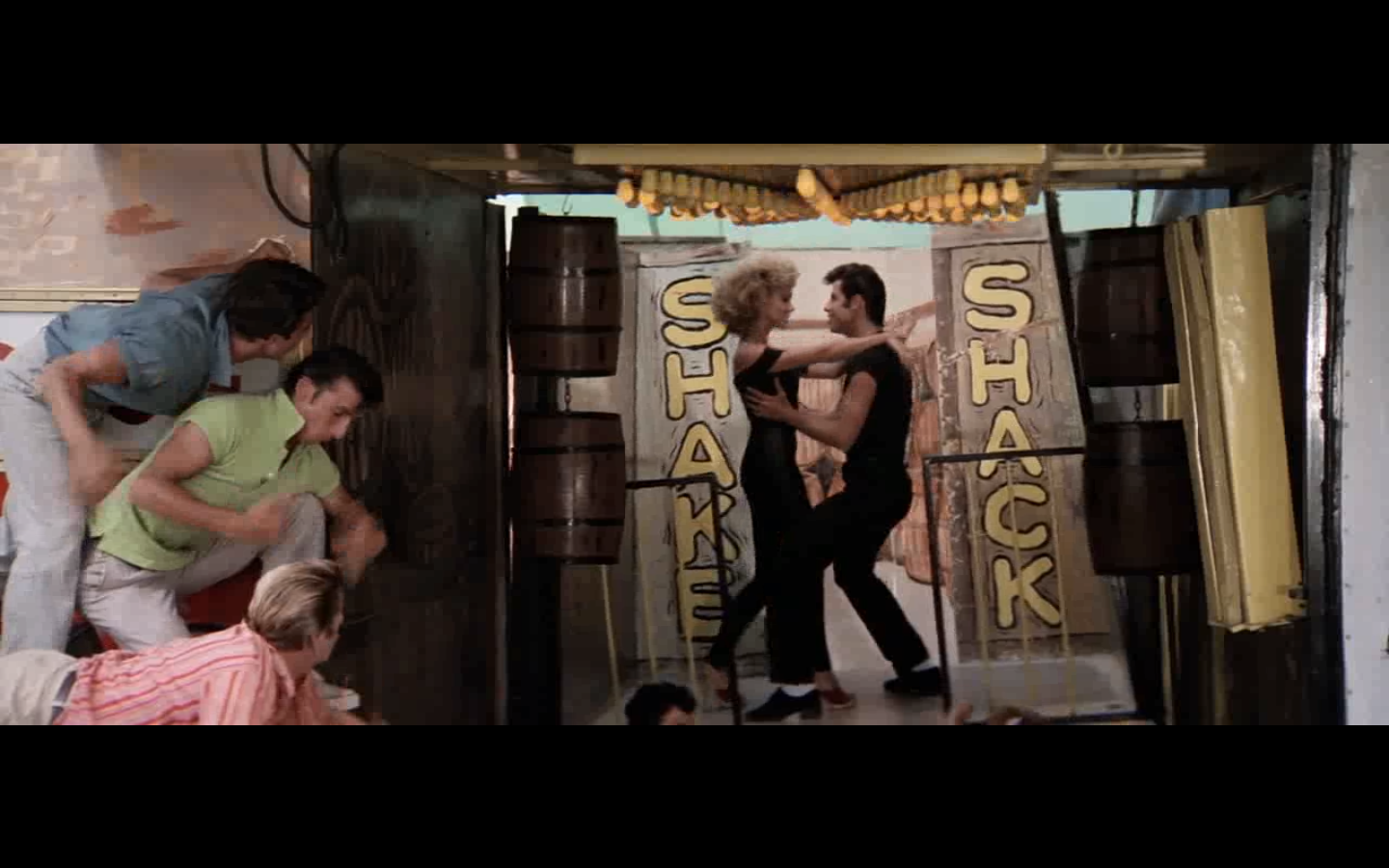
Pic of the Day: “What’s the matter with that girl? Can’t she take a gentle hint?” “Well haven’t ya heard? She’s irresistible. She told me so herself.”


The Oscar Quest: Best Picture – 1955

1955 is one of the weakest single years in Academy history. And, like I always say, a year begins with Best Picture. And this year’s Best Picture field might be the single weakest in history (it probably is, actually). There’s nothing here that should win in a regular year. Which pretty much leaves this as a forgotten year in Academy history, just because nothing particularly memorable came from it.

Marty wins Best Picture, Best Director for Delbert Mann (talked about here) and Best Actor for Ernest Borgnine (talked about here). The first two I understand and the third — while I think Frank Sinatra gave the better performance in The Man with the Golden Arm, he had an Oscar from 1953 and Borgnine was just as good, so, it’s fine. Best Actress was Anna Magnani for The Rose Tattoo (talked about here), which is utterly forgettable, and, in my opinion, a poor decision. (I think Susan Hayward should have won for I’ll Cry Tomorrow, which would have allowed either Deborah Kerr or Rosalind Russell to win their overdue Oscars in 1958, or let Liz Taylor win, which would have allowed Shirley MacLaine win in 1960, which would have affected 1983… the consequences are far-reaching.) Then Jack Lemmon wins Best Supporting Actor for Mister Roberts (talked about here), which is fine. The category was horrendously weak, though, and Lemmon won Best Actor later on, so most people forget about this. And Jo Van Fleet won Best Supporting Actress for East of Eden (talked about here), which — fine. She was in a bunch of stuff — I don’t have a problem with it (even though I’d have given it to Betsy Blair. Just because I love Marty).

So, really, not one memorable decision this year, despite Marty being a terrific film. But really, when you get down to bare essentials — the Best Picture category — this year is really one of the most forgettable years in Academy history.

BEST PICTURE – 1955

And the nominees were…

Love is a Many-Splendored Thing (20thCentury Fox) 

Marty (United Artists)

Mister Roberts (Warner Bros.)

Picnic (Columbia)

The Rose Tattoo (Paramount) (more…)


Pic of the Day: “My people, my people, what can I say, say what I can. I saw it but didn’t believe it. I didn’t believe what I saw. Are we gonna live together? Together are we gonna live?”

Do the Right Thing - 40


The Oscar Quest: Best Picture – 1956

A lot of people have strong opinions about this year. I don’t know why. It’s not that surprising a decision at all. Especially compared to 1952. I remember hearing Robert Osborne (of TCM) talk about this, and he mentioned that some famous critic called this the worst Best Picture winner of all time, and he (normally a respectful dude) was just like, “That’s stupid.” Because it is. Sure, it’s not a really strong film, but you can’t be surprised that it won.

The only surprise here was that Around the World in 80 Days only won Best Picture. Which is telling, I feel. Best Director went, instead, to George Stevens for Giant (talked about here). Which is a well-deserved Oscar, for one of the greatest directorial efforts of all time, I feel. It’s also a decision that lessens the impact of the Best Picture win. Then Best Actor was Yul Brynner for The King and I (talked about here), which I like because I like Yul Brynner, but I think it was a weak decision, because Rock Hudson and James Dean (mostly Hudson) gave better performances. Still, it’s okay. Then Best Actress was Ingrid Bergman for Anastasia (talked about here), which I think was a terrible decision. It’s mostly a fairy tale of a film, and there were such better choices in the category, specifically Carroll Baker for Baby Doll (holy shit, was she so much better). Then Best Supporting Actor was Anthony Quinn for Lust for Life (talked about here). The performance isn’t worth it (he’s only on screen for like, eight minutes), but the actor is. Plus the category was pretty weak, so it’s fine. And Best Supporting Actress was Dorothy Malone for Written on the Wind (talked about here). I love that decision. She’s so gloriously over the top. It’s a fun choice (even though Patty McCormack in The Bad Seed was fucking incredible).

So, overall, 1956 is a decent year. Strong categories. And yeah, Around the World in 80 Days is not really a good film. But it’s spectacle. It’s big and it’s spectacle. I understand why it won. Sure, it probably shouldn’t have won, but it’s not that bad. I don’t know. It’s weak, but I can understand it.

BEST PICTURE – 1956

And the nominees were…

Around the World in 80 Days (United Artists)

Friendly Persuasion (Allied Artists)

Giant (Warner Bros.)

The King and I (20th Century Fox)

The Ten Commandments (Paramount) (more…)


Pic of the Day: “You will be investigating thieves, misers, bullies, the most detestable collection of people that you will ever meet – my family.”


The Oscar Quest: Best Picture – 1957

This year, more so than 1959, is a year that’s a checkpoint year (one where you look at what won and go, “Oh, that makes sense,” and move on without much thought), but is also questionable. Even when there’s a definitive winner, you could almost always make a case for another film (L.A. Confidential over TitanicTo Kill a Mockingbird over Lawrence of Arabia, Anatomy of a Murder over Ben-Hur). And some years it’s warranted, and some years you’re stretching. This year, you can make a legitimate case.

Bridge on the River Kwai is a pretty definitive winner, winning Best Picture, Best Director for David Lean (talked about here) and Best Actor for Alex Guinness (talked about here). All terrific decisions. Best Actress was Joanne Woodward for The Three Faces of Eve (talked about here), which was a perfect decision. She was incredible there. And Best Supporting Actor and Best Supporting Actress were Red Buttons (talked about here) and Miyoshi Umeki (talked about here) for Sayonara, the former I don’t like at all (Arthur Kennedy and Sessue Hayakawa were much better) and the latter I consider the single worst Best Supporting Actress-winning performance of all time. She doesn’t do much at all, and I’m certain they were voting for the role and not the performance.

Overall, though, 1957 is really strong. I don’t agree with the Supporting categories, but the rest of the decisions are really strong. Though, back to my original point — you can make a case here for another film winning — 12 Angry Men. I love years like this, though the pitfall with it is that people get so tied up in favor of one film that they completely discount the other. But outside of that, it’s nice to see a definite winner and a choice that’s just as strong. Rarely are we awarded such a luxury of a win-win situation.

BEST PICTURE – 1957

And the nominees were…

Bridge on the River Kwai (Columbia)

Peyton Place (20th Century Fox)

Sayonara (Warner Bros.)

12 Angry Men (United Artists)

Witness for Prosecution (United Artists) (more…)


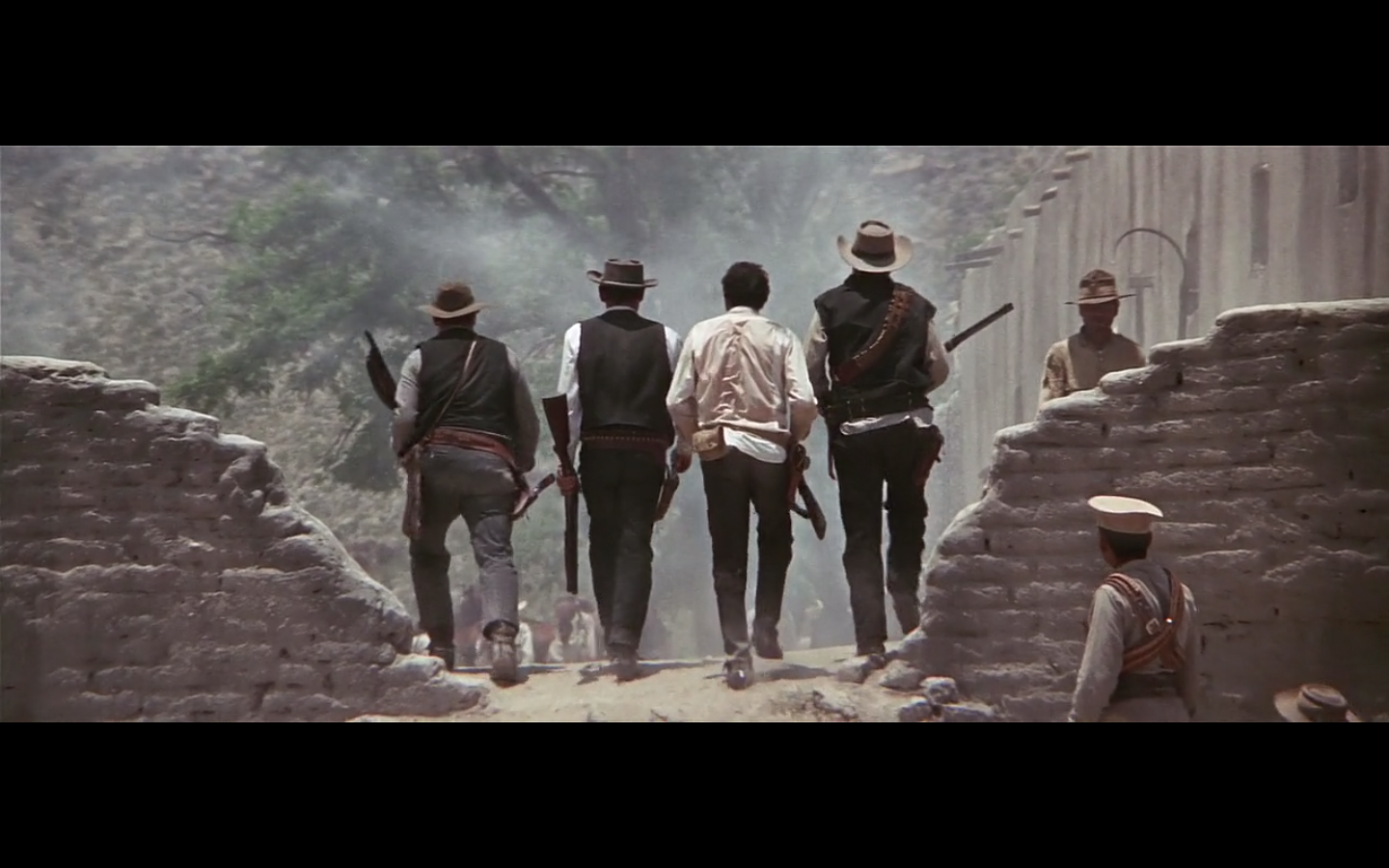
Pic of the Day: “The post-game show is brought to you by… Christ, I can’t find it. To hell with it!”


The Oscar Quest: Best Picture – 1958

1958 is a strong year that is also a weak year. It’s strong in that — the nominees are very strong, on the whole. The films are all very good. However, there’s no real winner in the pack. There’s no real absolute #1, the way there is in most years. Which puts everything about even and then when something does win, it coming out looking weak. Kind of like 1968.

Gigi seems to have won based purely on being fun and big budget. Though the positive side effect of it was that Vincente Minnelli finally won a long-overdue Best Director (talked about here). (In that way, this feels kind of like 2006, where Scorsese was overdue and his film came along to win Best Picture as well.) Then Best Actor was David Niven for Separate Tables (talked about here), which was okay, but not great. He’s a great actor, and having an Oscar is a good thing, though he’s barely in the film (it’s essentially a supporting role), and Paul Newman, Sidney Poitier and Tony Curtis all gave more vote-worthy performances than he did. So, it’s not great, but it’s kind of okay. Wendy Hiller also won Best Supporting Actress for the film (talked about here), which was a good decision. Best Actress was Susan Hayward for I Want to Live! (talked about here), which was a good decision, and an overdue won. My only grip about it is that she should have won three years earlier (which might have led to Liz Taylor, Rosalind Russell or Deborah Kerr winning, none of whom had Oscars at this point and two of whom never won one). And Best Supporting Actor was Burl Ives for The Big Country (talked about here). This was a terrific decision, because not only is Burl Ives awesome, but he was also great in Cat on a Hot Tin Roof this year as well.

So, 1958 is a strong year in terms of decisions. But the Best Picture decision is kind of “meh.” Which is fitting for the year. Since pretty much any film that would have won (though maybe not The Defiant Ones) really wouldn’t have held up that well as a Best Picture winner.

BEST PICTURE – 1958

And the nominees were…

Auntie Mame (Warner Bros.)

Cat on a Hot Tin Roof (Metro-Goldwyn-Mayer)

The Defiant Ones (Kramer, United Artists)

Gigi (Metro-Goldwyn-Mayer)

Separate Tables (United Artists) (more…)


Pic of the Day: “Some people, were born to sit by a river. Some get struck by lightning. Some have an ear for music. Some are artists. Some swim. Some know buttons. Some know Shakespeare. Some are mothers. And some people, dance.”


The Oscar Quest: Best Picture – 1959

1959 is one of the easiest years to recap, Oscar-wise. It’s a “checkpoint year.” The year where you look at it, go, “Oh, okay,” and can rest for a moment because you know what won was always gonna win and doesn’t require much thought.

Ben-Hur wins just about every award it’s up for including (outside of Best Picture Best Director for William Wyler (talked about here), Best Actor for Charlton Heston (talked about here) and Best Supporting Actor for Hugh Griffith (talked about here). The two awards it didn’t win (because there are barely women in the film) were Best Actress, which went to Simone Signoret for Room at the Top (talked about here), which I consider one of the worst decisions of all time in the category, but is somehow made okay (in a way) by the fact that everyone else in the category who probably should have won (mostly Audrey, but I’ll accept Liz or Kate) had Oscars already or would win two (or in Kate’s case three) after this. Still, not a particularly strong winner. And then it also didn’t win Best Supporting Actress, which Shelley Winters won for The Diary of Anne Frank (talked about here). I don’t really like the performance as a winner (particularly against Juanita Moore and Susan Kohner from Imitation of Life), but Shelley Winters is amazing, so it’s okay.

Really, when you look at 1959, you see Ben-Hur and go, “Oh, yeah.” That’s 1959.

BEST PICTURE – 1959

And the nominees were…

Anatomy of a Murder (Columbia)

Ben-Hur (Metro-Goldwyn-Mayer)

The Diary of Anne Frank (20th Century Fox)

The Nun’s Story (Warner Bros.)

Room at the Top (Continental) (more…)


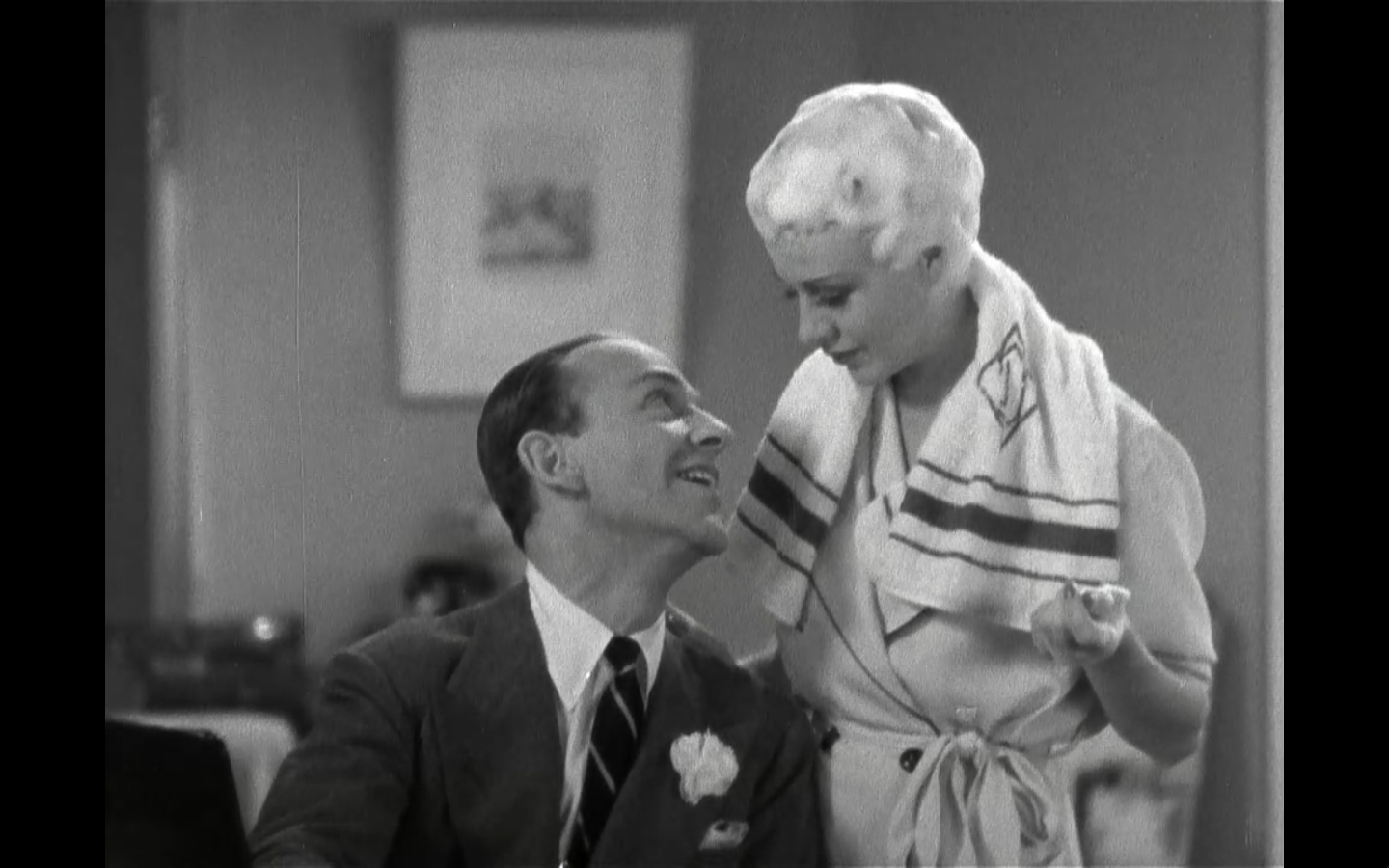
Pic of the Day: ♫ “Michael Rennie was ill the day the earth stood still / But he told us where we stand. / And Flash Gordon was there in silver underwear / Claude Raines was the invisible man. / Then something went wrong for Fay Wray and King Kong / They got caught in a celluloid jam. / Then at a deadly pace it came from outer space / And this is how the message ran / Science Fiction – Double Feature / Dr. X will build a creature / See androids fighting Brad and Janet / Anne Francis stars in Forbidden Planet / Oh-oh at the late night, double feature, picture show.” ♫


The Oscar Quest: Best Picture – 1960

I have quite fond memories of 1960. Mostly because The Apartment is one of my five favorite movies of all time. The Best Picture nominees this year are also very strong. (Sure, we’d all love Psycho here, but even so — they’re strong.)

Outside of Best Picture, The Apartment wins Best Director for Billy Wilder (talked about here), which is nice to see, though I think we can all agree that Hitchcock gave the better effort. It also should have won Best Actress for Shirley MacLaine, but she lost to Elizabeth Taylor for BUtterfield 8 (talked about here). Most people agree that Liz only won because she was very ill at the time and they feared she was going to die. Best Actor was Burt Lancaster for Elmer Gantry (talked about here), which was a perfect decision. This was probably Lancaster’s greatest performance (this, Birdman of Alcatraz and Sweet Smell of Success are the top three. To me, anyway). He so deserved it. Shirley Jones also won Best Supporting Actress for the film (talked about here), which is fine, though I’d have voted for Janet Leigh in Psycho (because of the tricky nature of the performance). And Best Supporting Actor was Peter Ustinov for Spartacus (talked about here), which is terrific.

Overall, it’s a very strong year. Even the one questionable decision was remedied after the fact, so it’s just a simple, “Yeah, that shouldn’t have happened,” but isn’t so bad outside of the actual category. In all, this is a strong year, anchored by what I consider one of the top ten or fifteen best Best Picture decisions of all time.

BEST PICTURE – 1960

And the nominees were…

The Alamo (United Artists)

The Apartment (United Artists)

Elmer Gantry (United Artists)

Sons and Lovers (20th Century Fox)

The Sundowners (Warner Bros.) (more…)


Pic of the Day: “I didn’t want to be somebody’s husband and I didn’t want to be somebody’s dad, that wasn’t my goal in life. But somehow it was. I work so I can do that.”


The Oscar Quest: Best Picture – 1961

I love 1961. It’s so top-heavy. Look at your three major contenders for Best Picture: West Side Story, Judgment at Nuremberg, and The Hustler. I always say a year’s strength begins at Best Picture, and right there, this establishes this year as a strong one.

As for the rest of the decisions — Robert Wise & Jerome Robbins win Best Director for West Side Story (talked about here), and George Chakiris and Rita Moreno win Best Supporting Actor (talked about here) and Best Supporting Actress (talked about here), respectively, for the film as well. These decisions all make sense and are good (even though I probably wouldn’t have voted for any of them). When you remember the film, these all seem like good choices, but when you look at the categories, I feel as though there were better choices historically (since in Supporting Actor, you had both Jackie Gleason and George C. Scott, who were great in The Hustler and Montgomery Clift in Judgment at Nuremberg. And then in Supporting Actress, you have Judy Garland, who most people feel was horribly snubbed for Best Actress in 1954. So why wouldn’t you give it to her?). Then Best Actor was Maximilian Schell for Judgment at Nuremberg (talked about here), which I think is one of the worst decisions of all time in the category, since Schell wasn’t really a lead in the film, and because Paul Newman was so good in The Hustler (so good, in fact, that the Academy tried to remedy this snub 25 years later when he reprised the same role). And Best Actress was Sophia Loren in Two Women (talked about here). I don’t like this decision at all, but it’s tough. I love Sophia Loren, and I like that she has an Oscar, but I feel, based solely on the category, that Natalie Wood deserved it, giving a great performance in West Side Story and a great performance in Splendor in the Grass. How do you not award a year like that?

So, 1961 is a year with good decisions, though ones that — I don’t know — maybe could have or should have gone another way. But it all comes back to it being a strong year, where you can quibble about one or the other even though the actual decisions were strong. This year is a luxury year. We should be lucky to have one of these.

BEST PICTURE

And the nominees were…

Fanny (Warner Bros.)

The Guns of Navarone (Columbia)

The Hustler (20th Century Fox)

Judgment at Nuremberg (United Artists)

West Side Story (United Artists) (more…)


Pic of the Day: “Bald Mountain according to tradition, is the gathering place of Satan and his followers. Here, on Walpurgnisnacht, which is the equivalent of our own Halloween, the creatures of evil gather to worship their master. Under his spell, they dance furiously until the coming of dawn and the sounds of church bells send the infernal army slinking back into their abodes of darkness.”


The Oscar Quest: Best Picture – 1962

The reason I love 1962 is because of two films (at least, in this category), but look at those two films — Lawrence of Arabia and To Kill a Mockingbird. It’s justified.

The year is actually quite simple to recap as well — Lawrence of Arabia wins Best Picture and Best Director for David Lean (talked about here). There was no way it wasn’t winning either of those two awards. To Kill a Mockingbird wins Best Actor for Gregory Peck (talked about here). No one can disagree with Atticus. Then Best Actress and Best Supporting Actress were Anne Bancroft (talked about here) and Patty Duke (talked about here) for The Miracle Worker, which were both perfect decisions. The only real outlier is Best Supporting Actor, which Ed Begley won for Sweet Bird of Youth (talked about here). I don’t really see how Omar Sharif doesn’t win this for Lawrence of Arabia. Still, that decision isn’t enough to ruin the other five.

And here — it’s pretty simple. One film or the other. We know which was going to win, but many of us (including myself) have to choose the other for personal reasons. Either way, it’s pretty clear this was gonna be a good one whichever way they chose.

BEST PICTURE – 1962

And the nominees were…

Lawrence of Arabia (Columbia)

The Longest Day (20th Century Fox)

The Music Man (Warner Bros.)

Mutiny on the Bounty (Metro-Goldwyn-Mayer)

To Kill a Mockingbird (U-I) (more…)


Pic of the Day: “Norman. The loons! The loons! They’re welcoming us back.”


The Oscar Quest: Best Picture – 1963

1963 is one of the toughest Academy years to deal with. It’s arguably worse than 1968, since, at least there, the film that one is a okay choice depending on the category. Here — you don’t know what to vote for. And it’s not that the year itself is horribly weak (though the nominees all-around were on the weak side). It’s just that the more daring films like 8 1/2 and The Cardinal weren’t nominated. So it leaves us with a category where we wonder — what do we do? (Which is probably how we got our eventual winner.)

Tom Jones, aside from Best Picture, won Best Director for Tony Richardson (talked about here). It’s not a good decision (How does Fellini not win?), but it’s understandable. Best Actor this year was Sidney Poitier for Lilies of the Field (talked about here), which is a great decision historically, but they really did pick one of the worst performances to award him for (he’s seriously playing a magical negro). Best Actress was Patricia Neal for Hud (talked about here), which I don’t love as a decision, but I guess is okay. Melvyn Douglas won Best Supporting Actor for the film (talked about here), which I am okay with. (It’s his second win, in 1979, that I hate.) And Best Supporting Actress was Margaret Ruherford for The V.I.P.s (talked about here), which — there really was no other choice in the category, logistically. So, meh. Whatever.

Overall, what 1963 got right was giving Sidney Poitier an Oscar. Otherwise, the other decisions are either forgettable or just okay. The real weakness for this year is the fact that the Best Picture category consisted of a comedy, a religious film that’s not really about anything, an epic western that’s more entertainment than “Best Picture,” a film about a Greek immigrant, which is terrific but seems to be little-seen (the kind of movie that would be nominated that people wouldn’t know about), and an epic failure (that’s great, but still thought of as a disaster). What do you vote for with that?

BEST PICTURE

And the nominees were…

America, America (Warner Bros.)

Cleopatra (20th Century Fox)

How the West Was Won (Metro-Goldwyn-Mayer)

Lilies of the Field (United Artists)

Tom Jones (United Artists) (more…)