Latest

Mike’s Top Ten of 1933

1933 is the end of the party. Hollywood finally went too far and crossed too many lines. For the past few years, all the Pre-Code films had to pass through state censors in order to be shown in theaters. Certain films weren’t shown in certain states for various reasons. (If you ever go back and read all the different reasons states refused to screen certain movies, you’ll be very amused.) Finally, after the government threatened to step in, Hollywood got serious.

The Production Code was technically around since 1922. After the William Desmond Taylor murder and the Fatty Arbuckle scandal, the government was trying to clean up on the “immorality” of the town, and Hollywood, rather than have the hammer come down, self-policed. It’s like when colleges self-impose bans to keep the NCAA from dropping the hammer on them. But no one really took it seriously. Then in 1927, they put out a list of “Don’ts and Be Carefuls.” Which was basically a list of “Don’t show white slavery. Don’t show miscegenation, be careful how you use the flag.” Shit like that. Again, generally adhered to, but with anything, people start bending the rules after a while. Read the rest of this page »

Image

Pic of the Day

Mike’s Top Ten of 1932

You definitely start to see an overall increase in quality when you get to 1932. Previous sound years have really good films, but you can’t really go 20 deep with films most people would want to watch. Here, you’re starting to be able to do that. It’s exciting to me to see Hollywood growing up. To put this into terms you young people who don’t know anything before 2002 can understand: Hollywood in the silent era was a full-sized Groot. And then sound happened and the whole thing got blowed up. And now, we’re dealing with a Baby Groot, slowly coming into its own again. We’re watching it get back to form.

1932 and 1933 are also the two years where Hollywood started really pushing the envelope, subject matter-wise, which lead to the creation of the Production Code. There are a couple of those here. You get your smatter of sex, violence and social problems. And then other cool stuff, like what might be the most bizarre film Hollywood made in the studio era. Read the rest of this page »

Mike’s Top Ten of 1931

1931 places us firmly in the sound era. The only silent films you’ll see here are ones made either foreign, or by very specific auteurs. Now that sound is the norm, we start to see the era of Pre-Code films seep in. More specifically, one type of picture that would be very big in this era: the gangster picture.

The gangster picture sees its heyday from 1931 through the early 40s, when it starts to fade away and be melded into the noir genre. Also here, a genre that is only starting to emerge now, with sound, the horror film. The horror genre wasn’t really prevalent in the silent era. There are notable exceptions, but the genre only really starts to take off in 1931, with three very iconic films of the genre coming out and paving the way.

There’s not a whole lot to say about 1931, since it’s still transition to sound, and Pre-Code. Mostly of interest are the specific films that came out this year. Read the rest of this page »

Mike’s Top Ten of 1930

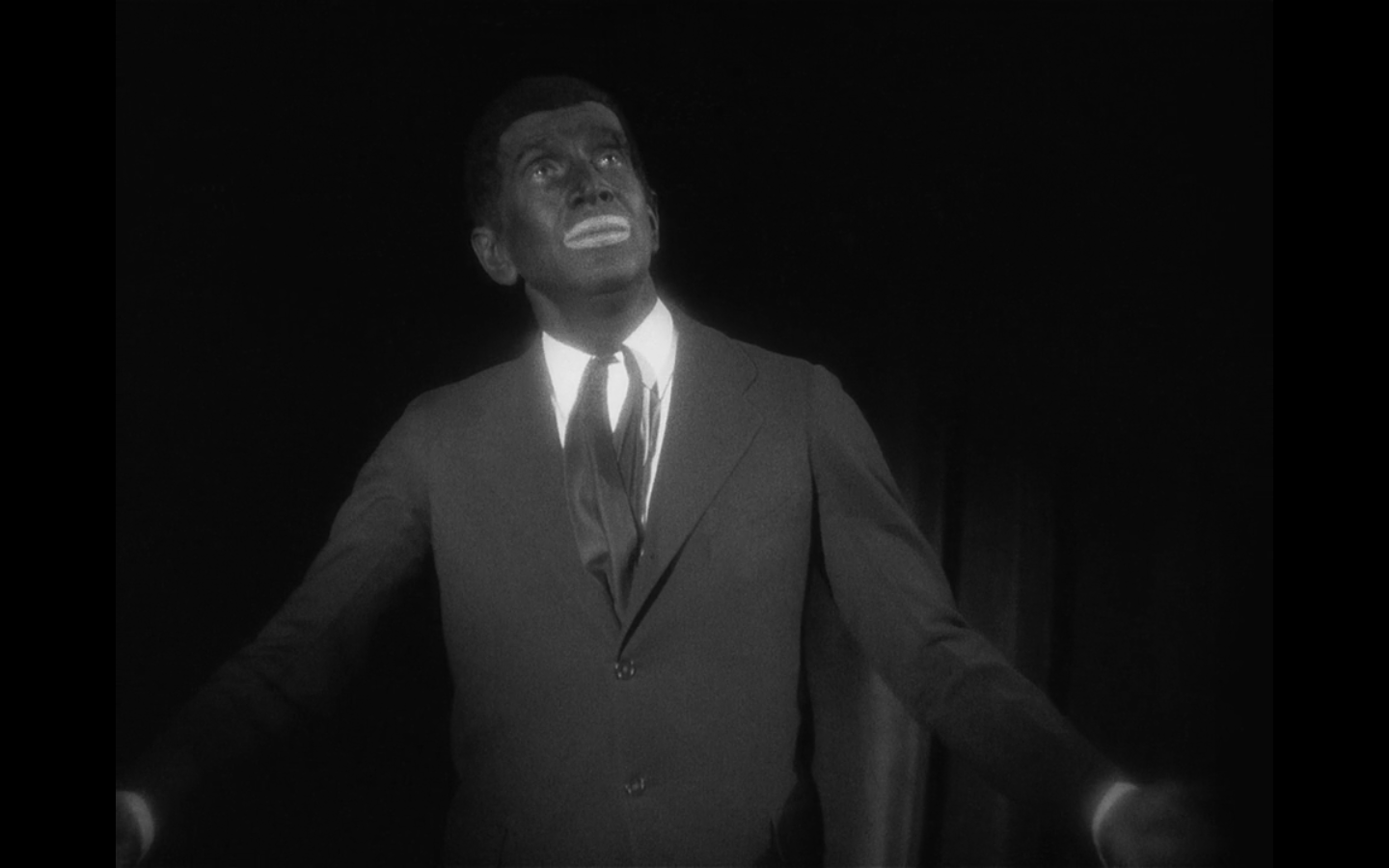
1930 is a year that’s memorable historically because it’s smack-dab in the middle of the transition to sound. The Jazz Singer comes out October 1927. Hollywood only starts getting into talkies in 1929, because it took them the first year to clear out the inventory and start new. The transition to sound is a fascinating era. Because first it’s all about showing films with sound. A lot of them are plays, with tableau staging and very theatrical stories and performances. Then slowly, as techniques begin to be developed and technology gets better (because remember, in order to shoot sound at first they had to keep cameras — which were very loud, as were the lights — stationary and had giant soundproof booths just to pick up everything), they start to get more advanced. By 1932, they’ve basically perfected the sound technology and are moving into narrative advancements.

But in 1930, you have an interesting mix of films that are just learning to use sound. Still a smattering of silents, but mostly talkies. And the talkies you see that do well here are of very specific genres: comedy, western, war, musical. The quintessential genres. You also see a very specific genre emerge: Pre-Code films. Now that Hollywood has the use of sound, they have much more leeway on dialogue. And they’re starting to go into some pretty dangerous territory, which will get them in trouble in a few years and lead to a self-censorship that prevented them from going into the subjects of sex and addiction and all that good stuff.

It’s an interesting year. There’s some good stuff in it. A lot of stuff that only works when you understand the era, but this year did give us an all-time great film. Like legitimate all-time, still holds up today, still one of the greatest films ever made. And the fact that it happened during the transition to sound is all the more impressive. Read the rest of this page »

Image

Pic of the Day