The Oscar Quest: Best Director – 1963
You can tell a year is a bad one when only two of the Best Picture nominees got nominations for Best Director. The only other times that’s happened since the switch to five nominees (ie, between 1944 and 2008) was in 1954 (only On the Waterfront and The Country Girl were nominated for Best Director, while Seven Brides for Seven Brothers, Three Coins in the Fountain and The Caine Mutiny, were not), 1955 (only Marty and Picnic were, while Mister Roberts, The Rose Tattoo and Love is a Many-Splendored Thing were not), and 1966 (A Man for All Seasons and Who’s Afraid of Virginia Woolf? were, while The Russians are Coming, The Russians Are Coming, Alfie and The Sand Pebbles were not). All other years, at least three Best Picture nominees were also nominated for Best Director.
Not much of a pattern there, except two of them were very weak years, and two were landslides, basically. Waterfront was not losing, so it didn’t really matter what else was nominated (plus Three Coins in the Fountain is a really boring romance that I don’t know how it was nominated, so that probably explains something), and Man for All Seasons and Virginia Woolf were far and away the best two choices that year. The other two, though, it’s clear how weak they were. And this year, 63, is by far the weakest year in Academy history (probably next to 1968, which still isn’t as weak as this is).
The Best Picture for 1963 was Tom Jones. Which is unusual. It makes no sense on any level except, they nominated shitty films and that’s the one they enjoyed the most. Best Actor was Sidney Poitier for Lilies of the Field, which I’ve talked about before. Best Actress was Patricia Neal for Hud. Best Supporting Actor was Melvyn Douglas for Hud, and Best Supporting Actress was Margaret Rutherford for The V.I.P.s. Pretty ho-hum year. Not memorably in any sense. (more…)

The Oscar Quest: Best Director – 1959
1959 is one of those years that I mentioned yesterday — what are you gonna do? I mean, Best Picture was Ben-Hur. Can you really not just give it Best Picture and Best Director? It’s an Epic with a capital E. Cast of thousands, grand spectacle of the theater — there was no way it wasn’t winning.
So, there really isn’t going to be much to talk about for this one, other than me suggesting which ones to see of the bunch. Before we get into that, let’s quickly run down the rest of the categories. Charlton Heston won Best Actor for Ben-Hur, Simone Signoret won Best Actress for Room at the Top, Hugh Griffith won Best Supporting Actor, also for Ben-Hur, and Shelley Winters won Best Supporting Actress for The Diary of Anne Frank. So, you can pretty much tell they just went for the sweep with Ben-Hur. It didn’t sweep, but, aside from All About Eve and Return of the King, and maybe Titanic, I think those are the top four Oscar nominated or winning films of all time. Fuck if I know which is which or if it’s both.
BEST DIRECTOR – 1959
And the nominees are…
Jack Clayton, Room at the Top
George Stevens, The Diary of Anne Frank
Billy Wilder, Some Like It Hot
William Wyler, Ben-Hur
Fred Zinnemann, The Nun’s Story

The Oscar Quest: Best Director – 1951
1951 is one of those years where — you can’t understand why they chose the way they did. Sure The American in Paris is an enjoyable movie, but, is it a Best Picture winner? That’s the main question we have for this year. Fortunately I don’t have to answer it now, I only have to deal with Best Director.
Best Actor 1951 was Humphrey Bogart for The African Queen. Kind of a makeup Oscar, kind of a career achievement Oscar. Also kept Brando from winning one. We’ll get to that. Best Actress was Vivien Leigh for A Streetcar Named Desire. Best Supporting Actor was Karl Malden, also for Streetcar, and Best Supporting Actress was Kim Hunter, also for Streetcar. I guess four people winning for the same film would have been a bit much. Especially when they weren’t going to award it Best Picture.
BEST DIRECTOR – 1951
And the nominees are…
John Huston, The African Queen
Elia Kazan, A Streetcar Named Desire
Vincente Minnelli, An American in Paris
George Stevens, A Place in the Sun
William Wyler, Detective Story (more…)
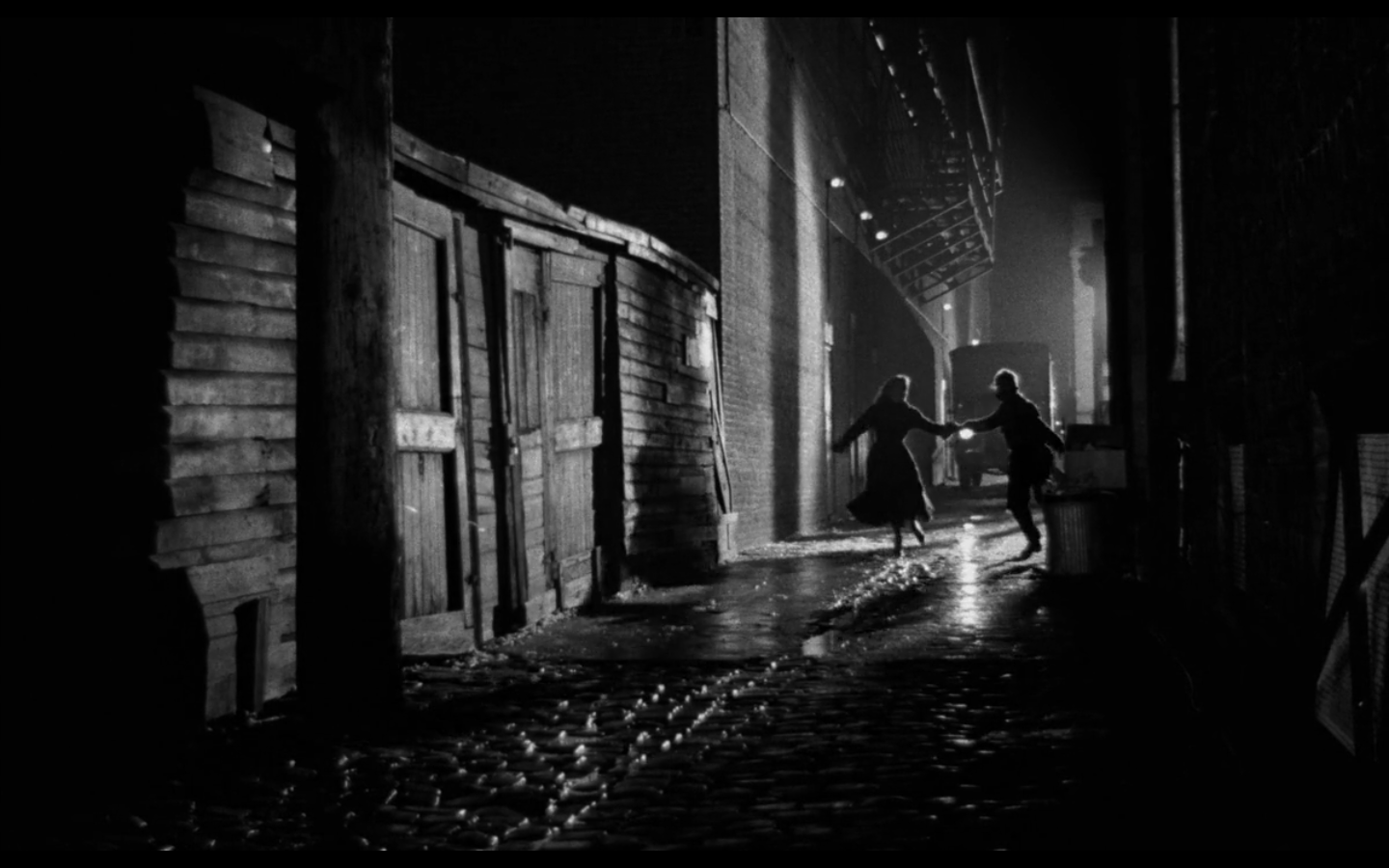
The Oscar Quest: Best Director – 1943
1943 is another one of those years. You can’t really fault their choice, because it’s widely regarded as one of the best films of all time. And even if you did want to say, “Well, it’s not that great,” there’ not really another nominee you could point to as being more worthy. Which is great, because, less I have to write.
The Best Picture of 1943 was Casablanca. Best Actor — surprisingly — went to Paul Lukas, for Watch on the Rhine. I believe this is widely considered to be one of the worst choices of all time. Raise your hand if you know who Paul Lukas is. No cheating.
Best Actress was Jennifer Jones for The Song of Bernadette. Best Supporting Actor was Charles Coburn for The More the Merrier, and Best Supporting Actress was Katina Paxinou for For Whom the Bell Tolls.
I’ll sum up 1943 by saying, when Casablanca is involved, is there really any question what should win?
BEST DIRECTOR – 1943
And the nominees are…
Clarence Brown, The Human Comedy
Michael Curtiz, Casablanca
Henry King, The Song of Bernadette
Ernst Lubitsch, Heaven Can Wait
George Stevens, The More the Merrier (more…)

The Oscar Quest: Best Director – 1939
1939. The “Golden year.” This one will be a quick one. I think we can all agree that — whomever the “director” was — Victor Fleming, George Cukor, Sam Wood or David O. Selznick, that Gone With the Wind was one of the greatest, if not the greatest, directorial achievements of all time. Nothing was going to beat it, as nothing should have. I also think it should be mentioned — do you see this Murderer’s Row of directors we have here? That’s impressive, isn’t it?
Also, for context’s sake, Gone With the Wind won Best Picture, Best Actress and Best Supporting Actress this year, while Best Actor was Robert Donat for Goodbye, Mr. Chips, and Best Supporting Actor was Thomas Mitchell for Stagecoach.
BEST DIRECTOR – 1939
And the nominees are…
Frank Capra, Mr. Smith Goes to Washington
Victor Fleming, Gone With the Wind
John Ford, Stagecoach
Sam Wood, Goodbye, Mr. Chips
William Wyler, Wuthering Heights (more…)
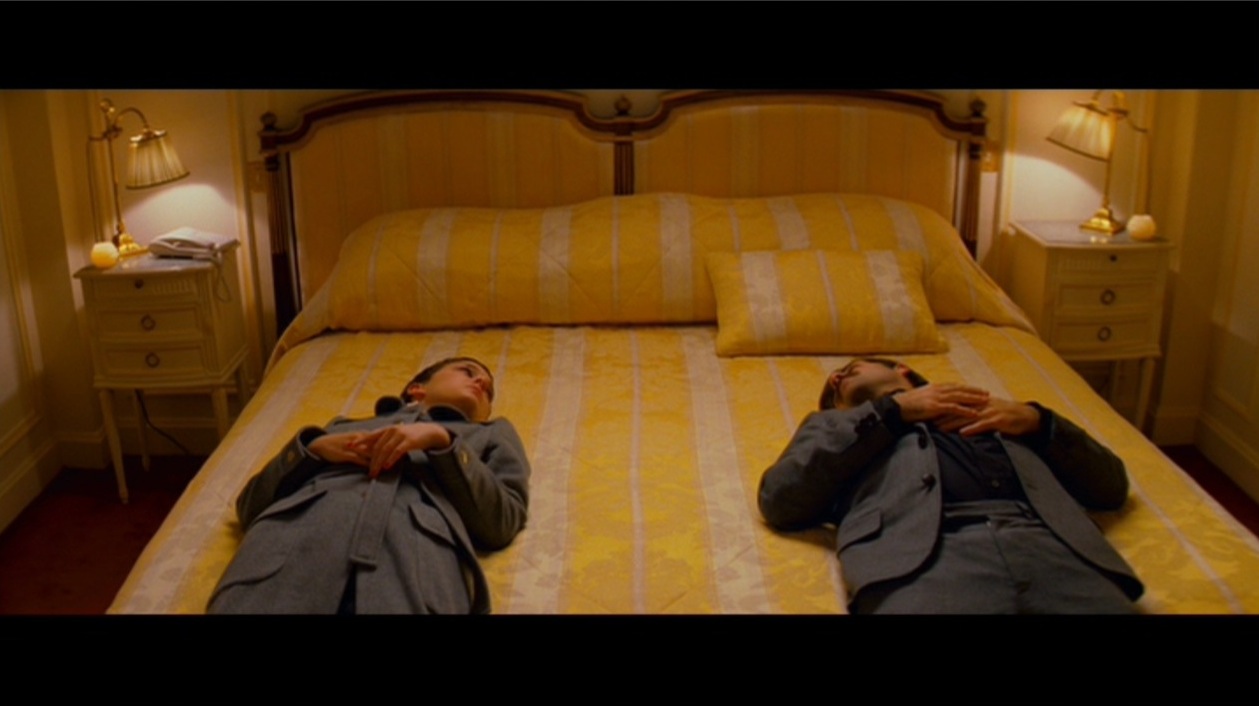
The Oscar Quest: Best Director – 1938
1938 feels like a “motions” year. One of those ones where you just feel the Academy going through the motions. The Oscars feels a lot like Hollywood itself a lot of the time. That is, they find a formula that works, or one they like, and they ride that formula for a while until they transition to something else. You notice it with the type of films they make, and in their Best Picture choices as well. You really can notice a pattern in what they nominate and what they vote for.
I’ve already said that 1928-1933 were the Academy figuring itself out. I’d also say that 1934-1938 were the Academy counteracting the Depression. Of course, as is always the case with AMPAS, you’ll see the standard “Oscar” picture thrown in as well, as well as a choice that defies all logic. But, there are choice years that really point out what the “trend” was at that point in film history. This is a huge reason why I love the Oscars. You can really get a snapshot of what the prevailing trend in — well, not Hollywood overall, but, this portion of it.
So, 1938. You Can’t Take It With You wins Best Picture. Now it’s perhaps thought of as a weak choice. And unlike most of the years they consider poor choices, this one isn’t directed so much at the quality of the film but rather at how “safe” a choice it was, and how generic a Best Picture it is. And that’s the reason I see it as part of the “Depression” trend, because, after this year, Hollywood transitioned to the “war” picture era, 1940-1946. It feels like when someone pulls back to reference a joke that was funny the first three times it was referenced, but now it feels as though people are going through the motions. Sure, it’s funny, but lets not beat it into the ground. (more…)
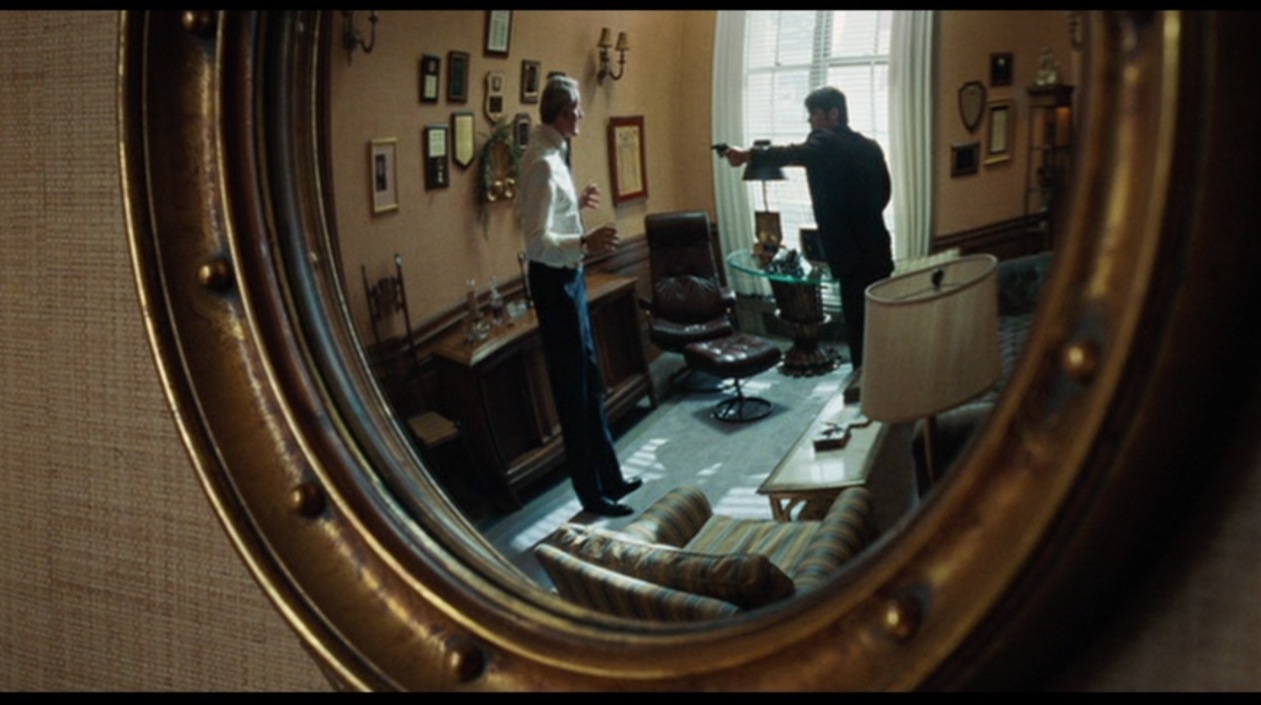
The Oscar Quest: Best Director – 1936
1936 is a tough year. There are a lot of good films that were nominated. I’d say, of all the Best Picture nominees, there were only three I didn’t care for. And even of those three — two of them were just monotonous for me, and the other was, whatever. 7 out of 10 is pretty good.
The only thing is, it’s tough to guess what should have won, because — the Best Picture choice, The Great Ziegfeld, is the first biopic to ever win an Oscar. That’s one thing it had going for it. Two is that it’s actually a good movie. It’s a nice mixture of drama, comedy, and larger than life musical numbers. (Larger than life meaning not like Busby Berkeley, but rather — literally larger than life. The sets are fucking huge.) The downsides to it are — it’s long, three hours, and, there are much more “watchable” films on the list. By that I mean, they’re films you’d want to watch more often than the film that won. So ultimately the decision is, which do you vote for? Because the film is a standard “Oscar” film, and an enjoyable one at that (at least, compared to some other epic Best Picture winners), but, on the other hand — there are alternatives.
That aside, we have this category, which, strangely, split from Best Picture. I feel it says a lot when the Best Picture winner and Director split. It’s like they were compelled to vote for the film that seemed most obvious, then went with what they liked for the other choice.
Oh, yeah, Best Actor was Paul Muni for The Story of Louis Pasteur, and Best Actress was Luise Rainer for The Great Ziegfeld. Oh, yeah — the Supporting categories are here. First time ever. The first Best Supporting Actress winner was Gale Sondergaard, for Anthony Adverse, and the first Best Supporting Actor winner — very fittingly too — was Walter Brennan, for Come and Get It. (more…)

The Oscar Quest: Best Director – 1935
1935 is one of those years — I don’t know — I guess you can’t really fault the Academy that much, but, I think general consensus is, while they didn’t make a bad choice (kinda, maybe, sorta), there was a choice that has held up as a better choice after the fact. It’s tough. I think it might have been tough back then too, since there was a Picture/Director split between the two films.
For those not in the know, the two films are Mutiny on the Bounty and The Informer. I’ll talk about them both down there. Mutiny on the Bounty won Best Picture — and it makes sense that they’d choose it, being the type of film that it is — but The Informer is one of those films — it’s a very strong picture. I guess it’s kind of a toss-up, historically. I don’t know. But I feel The Informer has held up better. Mostly because it’s never been remade, and still looks great.
Anyway, the other awards for this year were — the last year before supporting categories were invented, mind you — Victor McLaglen for The Informer and Bette Davis for Dangerous. Those aren’t as important as these two are. I feel like this race is a classic example of — well, the same type of race that we had in 2010 — the “Oscar” film vs. the — whatever the other type was.
BEST DIRECTOR – 1935
And the nominees are…
Michael Curtiz, Captain Blood (write-in)
John Ford, The Informer
Henry Hathaway, The Lives of a Bengal Lancer
Frank Lloyd, Mutiny on the Bounty (more…)

The Oscar Quest: Best Director – 1932-1933
This is gonna be a quick one. Most because — fuck, I hate this year. I really, really do.
This is an Academy year where there was little-to-no interesting nomination whatsoever. Of the ten Best Picture nominees, I’d say there are — maybe two, worth voting for. Maybe a third. Of all the acting nominees, I’d say I enjoyed one of them (but even that was out of obscene love for the film).
For recap purposes, Cavalcade won Best Picture (which meant the Director pair-up was inevitable). It’s a British drama about a family between New Year’s 1890-something and 1933, and we see them going through all the major events of the early 20th century, as well as seeing their kids grow and all that. Decent film and all, but — let’s put it this way — of all the Best Picture winners, this is the only one with fewer than 1,000 votes on IMDB. No one even remembers this film. Of all the Best Picture nominees, I guarantee that this is the most forgotten of the bunch (next to The Life of Emile Zola). Oh, and Charles Laughton won Best Actor for The Private Life of Henry VIII (look at all the Brits — this is how cinema was back then. British meant respectable), and Kate Hepburn won Best Actress for Morning Glory. That’s that starmaking role I was telling you about when I went over it. Yeah, weak all around, this year. (more…)

The Oscar Quest: Best Director – 1931-1932
1931-1932. Not much to say about this one. Grand Hotel — an “Oscar” film if there ever was one. Only film to ever win Best Picture without gaining a single nomination in any other category. That’s interesting. The film was designed for one purpose and achieved that purpose. In today’s world — that would never happen.
We actually covered one of the categories in these year very recently. Best Actor this year was the tie between Frederic March and Wallace Beery. Remember that? That saves us some time on one of the nominees. Best Actress was Helen Hayes for The Sin of Madelon Claudet. That’s 1932. Let’s get into it.
BEST DIRECTOR – 1931-1932
And the nominees are…
Frank Borzage, Bad Girl
King Vidor, The Champ
Josef von Sternberg, Shanghai Express
Borzage — There’s a reason I picked this one for the weekend. It doesn’t have films most people would ever see. Like, ever. Even though I like them and love one of them a lot — they’re not films a regular person would put on. Starting with this one. (more…)

The Oscar Quest: Best Director – 1930-1931
It’s Best Director month here at the B+ Movie Blog. The reason for that is, one — how do you really talk about Best Director? Do you go by innovation? Best film? Most stylistic? How do you judge? Best Director is perhaps the most nebulous of the awards. Logic dictates that — well, the best film, by default, had the Best Director. But sometimes it doesn’t. How does one mediate? Also — what exactly does a director do? Film is a collaborative medium. How much are we to say is the choice of the director and not, say, the writer, or the DP, or the set designer, or even producers or the actors. Sometimes the producer will say, “We need more action here,” or the actor will refuse to shoot a scene a certain way and the director will have to change it to suit the actor. Where do you draw the line at what a director does?
So, not really having an answer to that, along with the fact that — it needs to be done — I’m just gonna lump all the Best Directors as closely as possible. There are 83 of them. Eleven are already done. I’m doing thirty this month. That leaves — quick, math whizzes, crunch the numbers — 42 left from May. That’s not bad. Another Director month around, say — November — or maybe sooner if I really want to be rid of them — along with a few interspersed here and there — we’ll be done in no time. (more…)

The Oscar Quest: Best Actor – 1966
I liken 1966 to 1999. I think it’s because the film that won Best Picture that year is a very — stagy — film. Not that it’s a bad film, but — it goes back to that old cinematic vs. theatrical distinction. By and large, I usually prefer films to be cinematic, because, cinema is a different entity than plays. Which, also — here’s the difference, if you don’t get it — Martin Scorsese movie, like, The Departed — cinematic. There are irises, zoom ins, tracking shots, all of it. (Also, another great example people will recognize quickly — Fight Club — very cinematic.) Doubt — theatrical film. Revolutionary Road — theatrical film. Films that feel like plays. Because, very often, they were. They’re often directed by actors or actual playwrights. Ya follah?
And therein lies the rub. When your favorite film of the year (or at least, of the nominees. One you feel is deserving of winning Best Picture) is a very stagy film — more so than the usual standards — and a fellow nominee is a very cinematic film, but you just didn’t love it as much — what do you do? Bringing it back to a primordial level — say you always sided with good, but, in one instance, evil actually was right. (I’m not calling one thing out and out “evil” — though I will say, you don’t want a movie to be like a play, just like you don’t want a play to be like a movie. It’s like reading a novel that’s written like a movie. (Looking at you, Dan Brown.) It’s a fun read (for most), but you’re not giving it a book award. Shit. I could have saved all that space if I made that analogy first. But, I’ll get more into this issue when I deal with the year itself.
Now, this cinematic vs. theatrical problem does extend over to the acting categories as well. Which person would you rather see win an Academy Award — the dude who plays Hamlet in a film, and basically just takes the entire text of the play as he’s done it on stage and puts it on film, or the dude who plays a migrant worker who goes down to Mexico with his friend and an old prospector, finds lots of gold and slowly loses his mind because he starts to think the other two are going to kill him and steal his share of the gold? See what I mean? Who you gonna wanna vote for — Othello or Atticus Finch? It’s a tough choice to make, and is exponentially tougher when, you actually kinda want to vote for Othello.


